


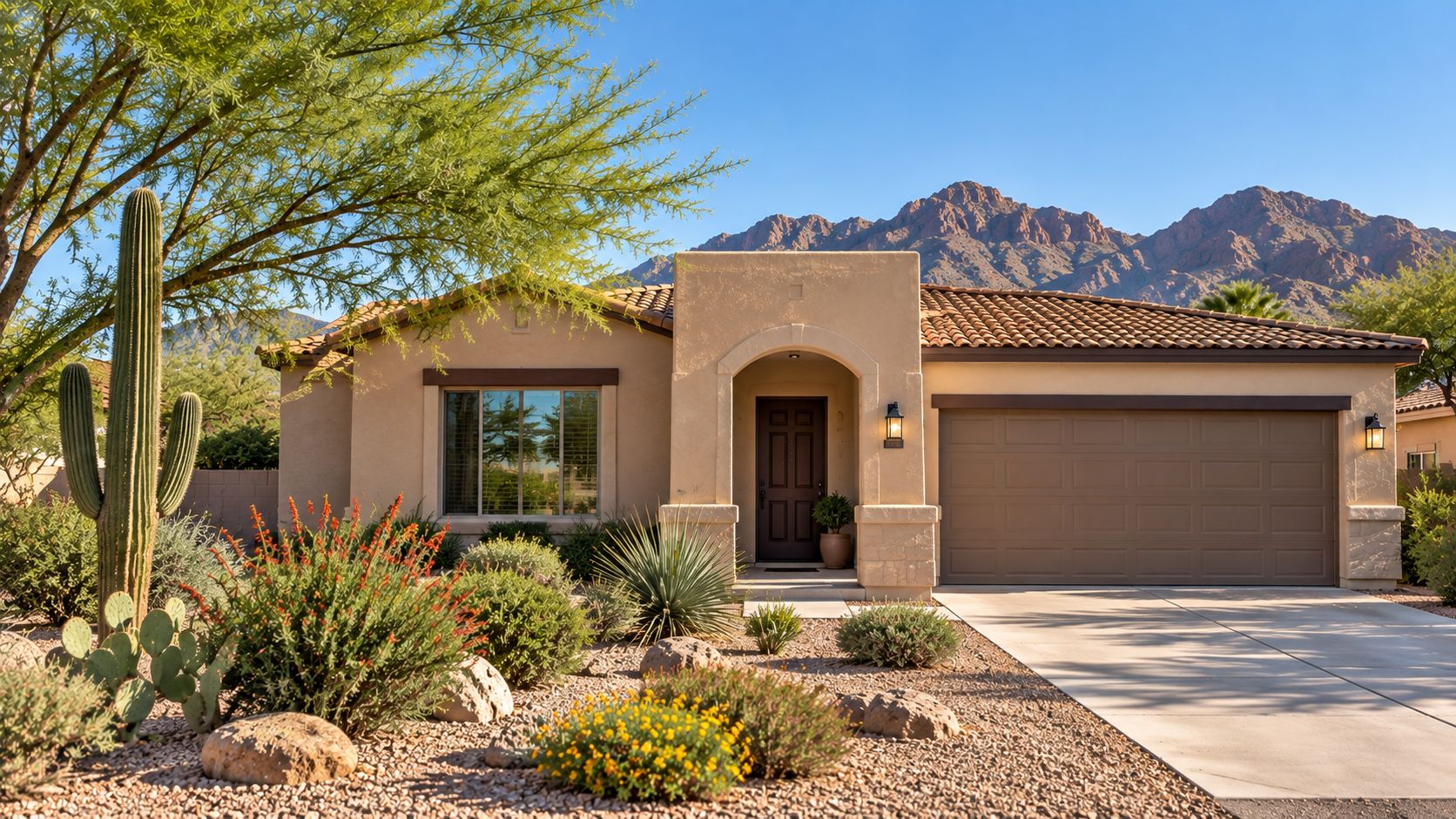
Becoming a landlord is not always part of the plan.
Maybe you are relocating, moving into another home, inheriting a property, or trying to sell but are not comfortable with the offers you are receiving. Instead of selling, another option starts to make sense:
What if I rent the house instead?
We have worked with many owners who became landlords this way. Some expected to rent for only a year or two. Over time, many discovered benefits of owning rental real estate they had not fully considered. Some kept the property as a long-term investment, and some eventually purchased additional rental properties.
Successfully making that transition, however, requires more than simply putting the home on the rental market.
The biggest change is often a mental one:
This is no longer just your home. It is now an investment property.
Quick Answer: What Should You Do If You Become an Accidental Landlord?
Start by evaluating the property as an investment rather than simply as your former residence. Determine whether it makes financial sense as a rental, get it ready for residents, update your insurance, establish several months of financial reserves, understand your Arizona landlord responsibilities, set rent based on current market conditions, and decide whether you want to manage the property yourself or hire a professional property manager.
The best time to work through those questions is before you begin looking for a resident.
Key Takeaways
- Evaluate the property as an investment before deciding to rent it.
- A home may need repairs or changes before it is truly ready for residents.
- Cooling systems, roofing, plumbing, landscaping and deferred maintenance deserve particular attention.
- Change owner-occupied insurance to coverage appropriate for a rental property.
- Keep several months of property expenses available for vacancies and unexpected repairs.
- Set rent based on the market, not on your mortgage payment.
- Establish your leasing, screening, documentation and maintenance processes before accepting a resident.
What Is an Accidental Landlord?
An accidental landlord is someone who owns a property that was not originally purchased with the intention of renting it.
You may be moving out of the area but do not want to sell. You might have purchased another home before selling the first one. You may have inherited the property or simply decided the sale price available today is not attractive enough.
A favorable existing mortgage can also make keeping a property more appealing.
The important difference is that an intentional investor usually evaluates rent, expenses, financing and potential return before purchasing. An accidental landlord may have lived in the home for years before thinking seriously about vacancy, leasing, maintenance costs or return on investment.
That means the first step should not be advertising the property.
It should be evaluating it differently.
Does the Property Make Sense as a Rental Investment?
A home can be a great place to live without necessarily being a great rental property.
Try looking at it as though you were considering buying it today specifically as an investment.
Start with a realistic estimate of market rent. Then consider the ongoing costs:
- Mortgage payments
- Property taxes
- Landlord insurance
- HOA fees, if applicable
- Maintenance and repairs
- Landscaping
- Vacancy
- Property management, if applicable
- Future capital expenses
Monthly cash flow matters, but it is only one part of the return.
Look Beyond the Monthly Rent Check
Many first-time landlords are not initially aware of all the ways rental real estate can potentially build wealth.
Mortgage paydown. Each principal payment reduces the loan balance and can increase your equity.
Long-term fixed-rate financing. If you already have attractive financing, keeping that debt can be valuable. Long-term fixed-rate loans are one of the characteristics that can make single-family and small multifamily real estate appealing.
Potential appreciation. Property values may rise over a long holding period, although appreciation should never be assumed.
Tax benefits. Residential rental property may generally be depreciated once it is ready and available for rent. IRS Publication 527 explains federal residential-rental rules, including conversion of a former personal residence to rental use.
Future financing flexibility. Depending on property values, lending conditions and interest rates, owners may eventually have opportunities to refinance or access equity without selling.
For that reason, asking only "Will the rent cover my mortgage?" does not tell you everything you need to know.
Make the Shift From Homeowner to Investor
This is one of the most important changes for a first-time landlord.
Once you decide to rent the property, start making decisions as an investor rather than as someone who still lives there.
That can be surprisingly difficult.
You may have strong opinions about paint colors, landscaping, upgrades or how certain features should be maintained because they mattered to you personally.
A rental property requires a different standard.
Instead of asking "What would I want if I still lived here?" ask "What makes sense for this property as a long-term investment?"
That shift affects repairs, improvements, landscaping, pets, pricing and ongoing maintenance.
It also means recognizing what you do not know.
In our experience, first-time landlords often are not aware of everything required to prepare and operate a rental property. That is understandable. They have never needed to know it before.
Rather than guessing, find out what is required, what is recommended and what experienced rental professionals have learned from managing similar homes.
What Should You Evaluate Before Renting the Home?
A property that worked perfectly well for you may still need attention before becoming a rental.
The objective is not to remodel everything. The goal is to provide a home that is safe, functional, clean, durable and ready for a resident.
In Southern Arizona, cooling deserves particular attention. Depending on the property, that may mean evaluating an air-conditioning system, heat pump or evaporative cooler and addressing marginal equipment before it becomes an emergency.
The housing stock also varies considerably. A newer home in a planned community may have very different maintenance needs from an older central Tucson property.
Before listing, evaluate:
- Cooling and heating systems
- Roof condition
- Plumbing and electrical systems
- Appliances
- Locks, doors and windows
- Smoke and carbon-monoxide alarms where applicable
- Landscaping and irrigation
- Overall cleanliness
- Deferred maintenance
Older homes deserve especially careful review because several small maintenance issues can quickly become several resident service requests after move-in.
The question should not be whether something was "good enough for us." The question is whether it is appropriate for a well-maintained rental property.
For a detailed preparation checklist, see our Tucson Rent-Ready Property Standards.
Change Your Insurance Before a Resident Moves In
An owner-occupied homeowners policy is different from insurance intended for a rental property.
Let your insurance professional know that the use of the home is changing and make sure you have appropriate landlord coverage.
Liability coverage deserves attention as well.
We generally recommend that rental-property owners discuss $500,000 to $1 million of liability coverage with their insurance professional. In our experience, increasing liability limits can often be relatively inexpensive compared with the additional protection provided.
Your insurance professional should help determine the appropriate policy and limits for your circumstances.
How Much Should You Keep in Reserve?
Rental properties occasionally need money at inconvenient times.
A resident may move out and the home may need repairs before it can be rented again. A vacancy may last longer than expected. A cooling system could fail during the summer.
We generally suggest keeping several months of property expenses readily available for vacancies and unexpected repairs.
The right reserve depends on the property.
An older home with aging mechanical systems may warrant a larger cushion than a newer property with recently replaced equipment. The point is not to predict exactly what will go wrong. It is to have enough liquidity that a repair or vacancy does not create a financial problem.
Price the Property for the Market You Actually Have
Your mortgage payment does not determine what a renter will pay.
If your mortgage is $2,000 per month, that does not automatically make the home worth $2,000 in rent. Likewise, having a very small mortgage does not mean you should accept below-market rent.
Rental value is determined by the alternatives available to prospective residents.
Look at comparable rentals, competing listings, location, size, condition, amenities and actual renter activity.
This is especially important when renters have choices.
Holding out for an above-market price can cost more in vacancy than the extra monthly rent would have produced.
If a property is receiving little qualified interest, price should be one of the first things you evaluate.
Older Homes Can Require More Planning
One difference worth considering in Tucson is the variety of housing stock.
Some rental homes are relatively new and located in master-planned communities. Others may be decades older and have been updated gradually over time.
Older properties can make excellent rentals, but they often require more careful planning.
Before renting, consider whether the property has:
- Older plumbing or electrical systems
- Aging roofing
- Older windows or doors
- Deferred exterior maintenance
- Older cooling equipment
- Irrigation or landscaping systems that require ongoing attention
- Previous owner-installed improvements that may be harder to maintain
A small amount of preventive work before move-in can be much easier than handling several resident maintenance requests later.
What New Responsibilities Do You Have as an Arizona Landlord?
Once another person rents the home, you have a legal landlord-resident relationship.
Arizona law establishes requirements involving leases, deposits, move-in documentation, property condition, repairs, notices and other parts of the tenancy.
Arizona law also requires certain landlord and management disclosures that should be addressed in the rental documentation.
Federal Fair Housing requirements apply to rental housing. Additional federal requirements may apply depending on the property, including lead-based-paint disclosure rules for most housing built before 1978.
That can be particularly relevant with older housing.
You do not need to become an attorney to own a rental property.
You do need appropriate documents, procedures and professional resources before you need them.
Put Your Leasing Process in Place Before You Advertise
Finding someone who wants to rent the home is only one part of leasing it successfully.
Before advertising, determine how you will:
- Market and show the property
- Handle applications consistently
- Establish screening criteria
- Verify applicants
- Comply with Fair Housing requirements
- Prepare the lease and required disclosures
- Collect funds
- Document move-in condition
- Transfer keys and possession
- Collect rent
- Communicate with residents
- Respond to maintenance requests
First-time landlords sometimes focus so heavily on finding a resident that they do not prepare for the tenancy that follows.
Good screening, good documentation and a good lease can prevent many problems later.
What If the Property Is in an HOA?
Most traditional long-term rentals can coexist with HOA rules, but owners should review the association's governing documents before advertising.
Requirements may address lease duration, resident registration, providing copies of lease documents, property condition or other procedures.
Short-term rentals are more commonly restricted.
Do not assume that because you were allowed to live in the property, every type of rental use is automatically permitted.
Should You Manage the Property Yourself?
Managing one rental property yourself is certainly possible.
The better question is whether you want the responsibilities that come with it.
Who will respond when the cooling stops working in July? Who will coordinate contractors, communicate with the resident, track rent, handle renewals, document the property condition and deal with a difficult situation if one occurs?
If you are becoming a landlord because you are moving away from Tucson, distance adds another layer of difficulty.
Some owners enjoy self-management. Others decide their time is better spent elsewhere and hire a professional property manager.
Neither choice is automatically right.
Understand the job before deciding whether you want it.
What We Have Seen With Accidental Landlords
We have worked with many owners over the years who never expected to become landlords.
A common story begins when someone puts a home on the market but does not receive the price they hoped for.
Renting becomes Plan B.
Then, over time, the owner begins to see the property differently.
The mortgage balance declines. Equity builds. Rental income helps support the property. The owner learns more about depreciation, financing and the other potential benefits of real estate ownership.
What began as a temporary solution sometimes becomes a long-term investment.
Some accidental landlords eventually decide they like owning real estate enough to purchase additional rental properties.
That will not be everyone's story. Sometimes selling is the better decision.
But becoming a landlord unexpectedly can introduce you to an investment you might never otherwise have considered.
Accidental Landlord Checklist
- Evaluate it as an investment. Estimate realistic rent, expenses and long-term objectives.
- Make the mental shift. Start making decisions for an investment property rather than your former residence.
- Get it rent-ready. Evaluate cooling, roofing, plumbing, safety, cleanliness and deferred maintenance.
- Review HOA requirements. Understand any applicable rental procedures or restrictions.
- Update your insurance. Obtain appropriate landlord coverage and discuss liability limits.
- Talk with your tax professional. Understand the implications of converting a personal residence into rental property.
- Establish reserves. Keep several months of property expenses accessible.
- Determine market rent. Use current rental-market evidence rather than your mortgage payment.
- Establish your leasing process. Have screening criteria, documentation and procedures ready.
- Decide who will manage the property. Be realistic about the time, knowledge and availability required.
Frequently Asked Questions
Do I need to change my homeowners insurance if I rent out my home?
Generally, yes. Contact your insurance professional before renting the property and obtain coverage appropriate for a landlord rather than relying on an owner-occupied homeowners policy.
How much money should I keep in reserve?
We generally recommend keeping several months of property expenses readily available for vacancy and unexpected repairs. Consider the property's age and condition when determining the appropriate amount.
What should I pay particular attention to in an older Tucson home?
Cooling systems, roofing, plumbing, electrical systems, windows, irrigation and deferred exterior maintenance are all worth reviewing carefully. Older homes can make excellent rentals, but it is better to address known issues before move-in than after a resident discovers them.
Can I rent a home that is in an HOA?
Usually, yes, for traditional long-term rental use, but review the association's current governing documents. Requirements may address lease duration, registration or documentation. Short-term rentals are more commonly restricted.
How do I know what the property should rent for?
Compare it with current competing rentals and recently leased comparable properties, considering location, size, condition and amenities. Your mortgage payment does not determine market rent.
Can I manage the property after moving out of Arizona?
It may be possible, but distance makes maintenance, inspections, emergencies and resident issues more difficult. Consider those demands carefully when deciding whether to self-manage or hire a property manager.
Is it better to rent or sell?
It depends on expected rent, expenses, financing, equity, taxes, property condition, holding period and your financial objectives. Evaluate the property as an investment rather than basing the decision solely on today's sale price.
An Accidental Landlord Can Become an Intentional Investor
If circumstances unexpectedly put you in the landlord business, do not automatically view renting as a consolation prize.
Take the time to understand the property you already own. Determine what it needs to become a successful rental. Consider both the costs and the potential long-term benefits.
Then make the decision deliberately.
Your former home may turn out to be an investment worth keeping.
Need Help Turning Your Home Into a Rental?
If you are considering renting a home in the Tucson area and are not sure where to begin, we are happy to help.
Here at Rentals America, we can help you understand what the property may rent for, what it needs before being offered to residents, and what professional management would look like if you would rather not handle everything yourself.
.jpg)